If you keep saying, I’ve tried every diet and still can’t lose weight, you are not imagining things, and you are not failing at something simple. Weight loss can stall for real biological reasons, including metabolic adaptation, loss of muscle mass, poor sleep, chronic stress, menopause-related shifts, and medical conditions. On top of that, years of restriction can make cravings louder and consistency harder to hold.
This article is written for women who feel worn out by the whole cycle. It explains what a weight loss plateau really is, why you may be working out but not losing weight, how stress and hormones can affect the scale, and what a healthier, more sustainable path can look like.
I’ve tried every diet and still can’t lose weight
If you have reached the point where you’re thinking, I’ve tried every diet and still can’t lose weight, the first thing to know is this: a stuck scale does not automatically mean a lack of discipline.
Sometimes it means the strategy was too rigid to last. Sometimes it means your body has adapted. Sometimes it means you were losing fat but not seeing much movement on the scale yet. And sometimes it means the real problem was never just food.
That matters even more for women in midlife. U.S. national data show obesity prevalence is highest in adults ages 40 to 59, at 46.4%. That does not mean change is hopeless. It means this stage of life often comes with real headwinds, including hormonal shifts, sleep disruption, more stress, less muscle mass, and a metabolism that does not respond the way it did at 25.
Many women who say why can’t I lose weight are also asking a deeper question they do not always say out loud: Why does my body fight me every time I try? That is the right question. It opens the door to a more honest answer.
What is a weight loss plateau, and why does it happen?
A weight loss plateau is a period when your body weight stays roughly the same, even though you feel as if you are still doing the right things. Clinical studies explain that after early weight loss, a plateau is common because a smaller body uses fewer calories than a larger one. British Heart Foundation says much the same: when you lose weight, you need less energy to maintain a smaller body mass, so the same routine that worked before may no longer create the same result.
That is one reason plateau weight loss is so frustrating. You may think, But I’m eating the same way. And that may be true. The problem is that your body is not the same body it was weeks ago. Here’s a simple way to define a plateau in real life: it is the point where your old plan no longer matches your current body.
| What you notice | What it may mean | Why it matters |
| The scale drops fast in week one, then slows | Early loss often includes water weight, not just fat | Fast starts can create unrealistic expectations |
| Your weight stalls after some progress | Your calorie needs likely changed as body size changed | A smaller body burns fewer calories at rest and during movement |
| You feel hungrier while trying harder | Restriction may be pushing appetite and rebound eating | Going too low can make adherence much harder |
Why am I not losing weight when I exercise and diet?
This is one of the most common and maddening questions online: Why am I not losing weight when I exercise and diet? The short answer is that exercise is excellent for health, mood, insulin sensitivity, and muscle preservation, but it does not erase the need for a workable calorie deficit.
That is why some women are working out but not losing weight, or women working out not losing weight, and feel like the whole thing is a bad joke. You may be stronger. You may have improved your cardiovascular health. You may even be changing your body composition. But if workouts leave you ravenous, exhausted, or sore enough to move less the rest of the day, the scale may not show what you hoped. That does not mean exercise failed. It means the overall plan needs a closer look.
There is another wrinkle. If you are gaining or preserving muscle mass while losing fat, scale change can look slower than expected. And that can lead to a false belief that nothing is happening.
| Common thought | What may actually be happening |
| “I’m exercising more, so I should be dropping fast.” | Exercise burns energy, but not always enough to offset intake or appetite changes. |
| “The scale is stuck, so I must not be losing fat.” | You may be holding more water after workouts or improving body composition. |
| “I need to push harder.” | More intensity is not always the answer if sleep, hunger, and stress are already off. |
Calorie deficit not losing weight: what usually gets missed
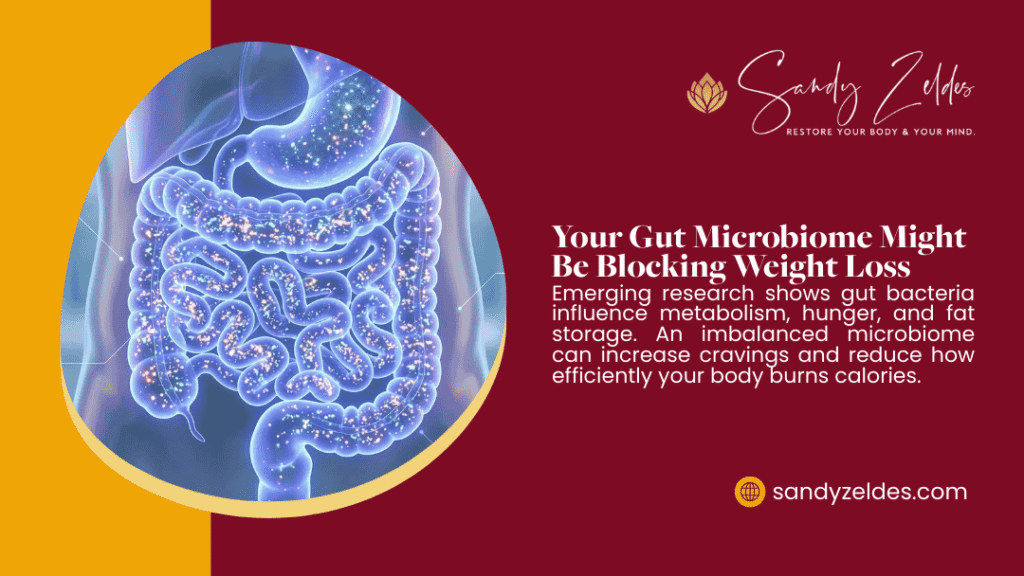
If you are in a calorie deficit and not losing weight, you are not alone. It is one of the biggest problems. In practice, calorie deficit not losing weight can mean several things at once: portion sizes drifted up, liquid calories slipped in, weekends quietly undid weekdays, hunger rose after workouts, or the deficit was never as large as it looked on paper. The British Heart Foundation specifically warns that calorie-containing drinks are easy to overlook and can add up quickly.
Another issue is over-restriction. If you are eating less but not losing weight, your instinct may be to cut harder. But Harvard studies warn against pushing intake below 1,200 calories because that level may leave you in constant hunger, which raises the risk of overeating. The better question is whether your intake is low enough to create change but high enough to let you stay consistent without rebound eating.
This is why a rigid calorie diet can look perfect for a week and collapse by week three. Sometimes the deficit is smaller than expected. Sometimes it disappears on weekends. Sometimes stress and poor sleep drive intake back up without much awareness. Sometimes the scale is simply lagging behind body changes. All of those count.
Why can’t I lose weight after 40?
For many women, this is where the frustration gets personal. You may be doing things that worked in your 20s or 30s and getting very different results now. Office on Women’s Health says many women gain an average of 5 pounds after menopause, and notes that lower estrogen may play a role. It also points to slower metabolism, lower activity, less healthy eating, and age-related muscle loss. Since muscle burns more calories at rest than other tissues, losing muscle can quietly reduce your daily energy needs.
That is one reason why losing weight so hard after 40 is such a common question. It is not just age, but age changes the terrain. If you are tired, sleeping poorly, juggling work and family, and dealing with hormonal shifts at the same time, your weight loss efforts may feel far more expensive than they used to. And that’s why it matters to work with your body instead of against it.
Sandy addresses this stage of life through her work on hormone balance and menopause. The perspective aligns with this conversation because women over 40 are often not lacking discipline. What tends to matter more is having an approach that acknowledges the physical and hormonal realities that come with this stage of life.
Does stress cause weight gain and make it hard to lose weight?
In a word, yes. Harvard Medical School says both short-term and long-term stress can affect the brain and trigger hormones, including cortisol, that influence energy balance and hunger urges. Those changes can make you eat more and store more fat. NHLBI’s healthy-weight guidance also says poor sleep raises hunger and appetite, especially for high-calorie, high-carb foods, and triggers stress hormones that tell the body to hang on to fat.
This is where many women feel a kind of relief, because stress-caused weight gain stops being a vague wellness cliché and starts sounding like their actual life. Chronic stress can drive cravings, mindless eating, evening overeating, all-or-nothing habits, and that feeling of I know what to do, but I can’t make myself do it consistently. That is not a character flaw. It is often a stress response.
If that sounds painfully familiar, Sandy’s work on EFT for emotional eating and on why people sabotage their weight loss progress focuses on the emotional side of the issue. It addresses aspects that food trackers and structured meal plans often overlook.
Medical reasons for not losing weight
Sometimes medical reasons for not losing weight are part of the picture, and pretending otherwise helps no one. NHLBI lists conditions such as metabolic syndrome and polycystic ovary syndrome among causes that can contribute to weight gain and make weight regulation harder. NIH research also notes that menopause-related changes can shift body composition and make weight loss slower.
This is also why medication-related searches such as Ozempic plateau, Wegovy plateau, semaglutide plateau, or tirzepatide plateau have grown. Even with newer medical tools, plateaus can still happen because the body adapts, adherence changes, appetite changes over time, and dose or follow-up may need review. Medication can be a tool, but it does not erase the need to look at sleep, stress, eating patterns, and realistic expectations.
If your weight has been stuck for months, or you have symptoms like severe fatigue, cycle changes, hot flashes, sleep disruption, blood sugar swings, or intense cravings that do not line up with your efforts, it is wise to speak with a qualified clinician.
Losing fat but not weight: why the scale can lie
One of the hardest things to accept on a weight loss journey is that the scale is not a perfect reporter. It reflects water, food volume, hormones, inflammation, and body fat all at once. So you can be losing fat but not weight for stretches of time, especially if you have started resistance training, changed sodium intake, or are in a phase of your cycle that affects fluid retention.
That is why the phrase weight loss is not linear matters so much. It is not a motivational slogan. It is a practical truth. When you judge progress only by scale movement, you can miss real wins such as looser clothes, less obsession with food, better energy, improved workouts, or a calmer relationship with eating. And once that happens, it gets easier to panic and jump to another plan.
| If this is happening | Consider this possibility | Better way to track progress |
| You feel firmer, but the scale barely moves | More muscle retention or temporary water shifts | Measurements, clothes fit, photos, strength, energy |
| Your weight jumps after a hard workout | Inflammation and fluid changes can mask fat loss temporarily | Weekly trends instead of daily panic |
| You eat well all week and feel stuck | Scale lag is common; body change and scale change do not always sync | Review 3 to 4 weeks, not 3 to 4 days |
Can you lose weight by not eating? Why harsh restrictions backfire
Plenty of searchers ask some version of can you lose weight by not eating, if I stop eating, will I lose weight, or not eating enough to lose weight. The desperation in those phrases says a lot. Mayo Clinic gives a blunt but useful guardrail: going below 1,200 calories a day may leave you constantly hungry, and that increases the risk of overeating later.
So no, the answer is not to white-knuckle your way through a starvation plan and hope your body finally gives in. That path usually makes life smaller, hunger louder, and rebound more likely. A healthy weight loss plan is not the one that makes you eat the least. It is the one you can live with long enough for your body to trust it.
For a more grounded perspective, the idea that focusing heavily on dieting can keep people stuck offers a useful shift in thinking.
How to break a weight loss plateau without another extreme diet
So, how to break a weight loss plateau? Start by dropping the fantasy that the answer must be dramatic. If your plateau is stress-driven, the fix cannot be food-only. If your hunger is sky-high because you are sleeping five hours, or if you are emotionally spent and grazing at night, then trying to be stricter usually backfires.
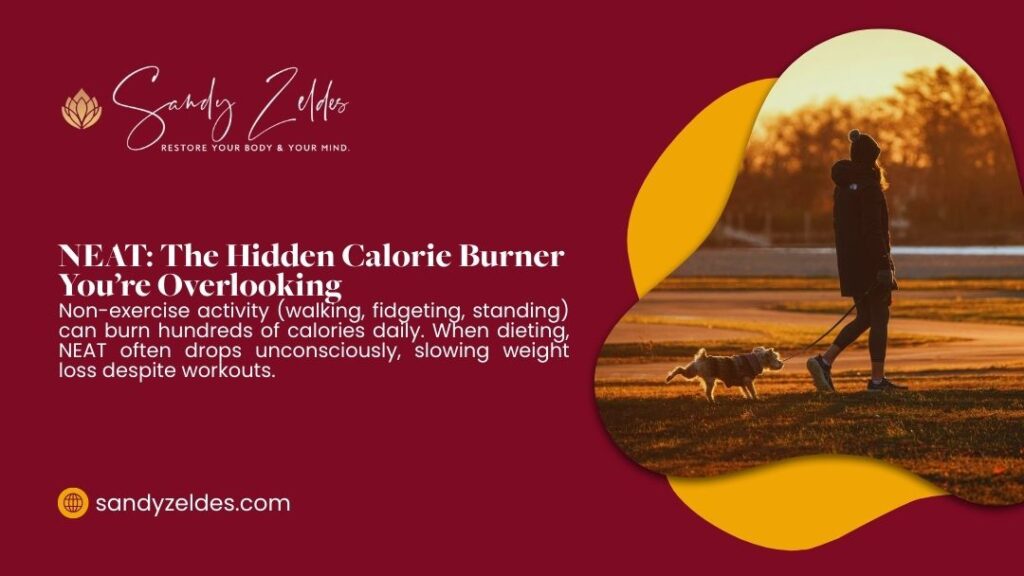
This is where how to reset metabolism gets misunderstood. There is no magic switch. What helps most is restoring the basics your body responds to: adequate protein, enough sleep, honest intake awareness, regular physical activity, muscle-preserving strength work, and less chaos around food. USDA brings Body Weight Planner, which reflects that same idea by grounding goals in personalized calorie and activity plans instead of wishful math.
If cravings are the piece that keeps knocking you off course, approaches like EFT for food cravings, EFT for sugar addiction, and tapping for weight loss can help you address the pressure under the habit instead of arguing with the habit itself.
Why self-sabotage can keep you stuck at the same weight
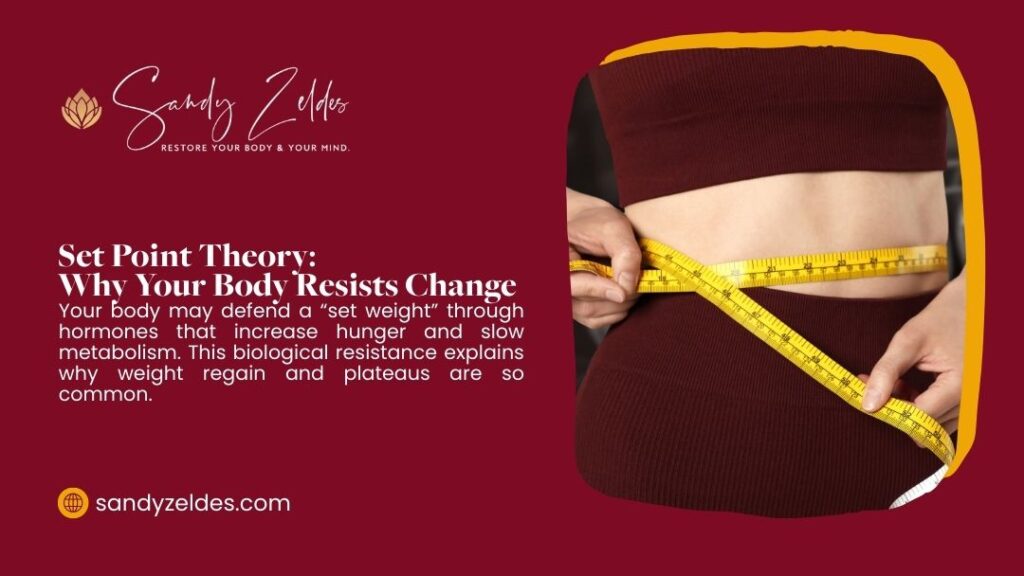
If you keep thinking, I can’t lose weight no matter what I do, it may not be because you do not know what healthy eating looks like. A lot of women already know. The harder issue is that old stress patterns can override good intentions, especially when life gets full, emotions run high, or the body no longer feels safe with more restriction.
That is why self-sabotage is often less about laziness and more about self-protection. It can show up as cravings, stopping right when progress begins, forgetting what matters in the moment, or swinging between perfection and rebellion. When that pattern is active, even the best sustainable weight loss plan can feel impossible to maintain.
Discussions about subconscious blocks to weight loss are especially useful here because they name the real barrier without shaming the person living it.
A better path if you’ve tried every diet and still can’t lose weight
If you have spent years saying, I’ve tried every diet and still can’t lose weight, there is a good chance the missing piece is not another meal plan. It may be a plan that respects biology, mood, hormones, sleep, appetite, and the emotional side of eating all at once. That is how you lose weight and keep it off in the real world: not by becoming a different person, but by using a method your body can live with.
If this is your problem, start with one honest question: What keeps knocking me off course even when I know what to do? Then reach Sandy Zeldes. If you want direct support, you can also explore working with Sandy or read her success stories.
Because sometimes the real shift starts the moment you stop asking, Why can’t I force this? and start asking, What is my body trying to tell me?