

Weight loss can feel harder after menopause because declining estrogen, gradual muscle loss, disrupted sleep, and changing fat distribution often occur together. Years of chronic stress may add another layer by making food or alcohol feel like reliable sources of comfort. Your body has not stopped working, and you have not failed.
Supporting your physical health while understanding the patterns behind cravings can help you pursue something deeper than a smaller number on the scale: greater trust, calm, and freedom around food.
Why Weight Loss Feels Harder After Menopause
The meals that once kept your weight steady no longer seem to work. Fat settles around your middle. Sugar calls your name every evening, and one glass of wine can quietly become two. Your energy is lower, your sleep is lighter, and the scale barely responds even when you try to be careful.
It is easy to look at these changes and wonder, “Is this simply what aging looks like?” Not necessarily.
Menopause does change the body, but it does not make weight loss impossible. These changes often begin before the final menstrual period, which is why many women first notice that losing weight feels harder after 40 rather than only after menopause.
The difficulty often comes from several overlapping factors: declining estrogen, changes in fat distribution, gradual muscle loss, disrupted sleep, lower activity, and the accumulated effects of stress.
After more than two decades of working with women, I have also learned that the number on the scale is rarely their deepest concern. They may arrive wanting to lose 20 pounds, but what they truly want is relief. They want to stop thinking about food all day, trust themselves again, and feel peaceful in their own bodies.
Your body has not stopped working. In many cases, it has been working overtime to adapt and protect you. Understanding what it has been responding to gives us a more compassionate and often more useful place to begin.
Hormones Matter, but They Are Not the Whole Story
Menopause is confirmed after 12 consecutive months without a menstrual period. During the transition, levels of estrogen and progesterone fluctuate and eventually decline. These changes can affect sleep, temperature regulation, mood, and where the body tends to store fat.
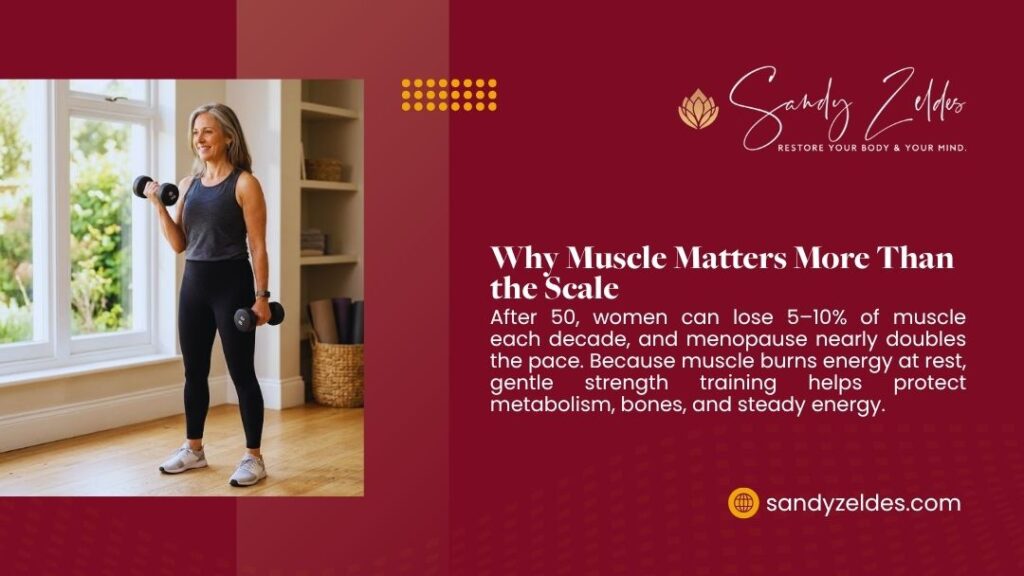
The number on the scale does not always tell the full story. A woman may remain close to the same body weight while losing lean tissue and carrying more fat around her waist. The Menopause Society explains that aging is a major driver of midlife weight gain, while menopause plays a particular role in redistributing fat toward the abdomen.
These physical changes are real and deserve appropriate attention. But in my experience, the menopause conversation often stops too soon.
Hormones do not operate separately from the rest of a woman’s life. Sleep, nutrition, activity, medications, health conditions and ongoing stress can all influence how she feels and how easily she can maintain supportive habits.
That is where the physical and emotional parts of this story begin to meet.
When Physical Changes Meet Years of Chronic Stress
When people hear “stress,” they often picture a demanding job or an overloaded calendar. Yet some of the deepest stress does not come from being busy.
It may come from years spent walking on eggshells in a relationship, caring for everyone else, grieving a loss, feeling criticized, or repeatedly questioning your judgment. Childhood adversity and other difficult experiences can also influence how a person responds to discomfort later in life.
I do not assume that chronic stress causes every hormonal concern or case of postmenopausal weight gain. Menopause, metabolism, and body weight are far more complex than that. However, I have repeatedly seen how prolonged emotional pressure can affect the everyday behaviors that support health.
It can disturb sleep, drain motivation, reduce activity, and make quick comfort feel especially appealing. When the day finally becomes quiet, food or wine may offer a reliable moment of relief.
This pattern helps explain why stress can trigger eating even without physical hunger. The urge may be less about needing food and more about needing comfort, relief, or a way to come down from the day.
For one woman, that relief is sugar after dinner. For another, it is wine, shopping, overworking, or scrolling late into the night. The behavior changes, but the need beneath it may be similar: comfort, escape, reward or a temporary sense of calm.
This does not mean your body is trying to ruin your progress. It may mean that an old coping response is still trying to help in the only way it knows.
Why Food Can Start Feeling So Different
Women often tell me:
“I never used to think about food this much.”
“I know what I should eat, so why can’t I stop?”
“I am disciplined everywhere else. Why am I different around food?”
These experiences are not always explained by hormones, nor are they proof of weak willpower.
If food has repeatedly provided relief after stress, loneliness, conflict or exhaustion, the mind can learn to reach for it automatically. Restrictive dieting may strengthen the pattern by adding physical hunger, guilt and a sense of scarcity.
That is why more nutrition information is not always the missing piece. A woman may already know how to build a balanced meal. What she does not yet understand is why those intentions disappear when she feels overwhelmed.
Instead of asking only, “What should I stop eating?” I encourage women to ask, “What is happening before I reach for food, and what kind of relief am I seeking?”
That question replaces judgment with useful information.
The Question That Changed How I See Self-Sabotage
For years, I watched intelligent, capable women blame themselves. They believed they lacked discipline, motivation, or self-control. Eventually, I realized we were asking the wrong question. Instead of asking only:
“Why can’t I lose weight?”
I began asking: “What has this woman been carrying, and what might food or this familiar habit be helping her cope with?”
This does not mean every craving comes from trauma. It also does not mean that feeling emotionally safe automatically causes the body to release weight. Weight regulation involves many biological, medical, and behavioral factors.
The question still matters because it reveals something that shame cannot: the possible purpose behind the pattern.
In my coaching philosophy, self-sabotage is not an enemy hiding inside you. It may be a protective response that once offered comfort, distraction, reward, or relief. Even when that strategy no longer serves your health, your mind may continue reaching for what feels familiar.
Recognizing why weight-loss self-sabotage keeps returning can help replace blame with a clearer understanding of the pattern.
When we understand the protection beneath the behavior, we can begin developing alternatives without declaring war on the body.
Supporting the Whole Woman
This is why my approach is not only about food, hormones, or past experiences. It is about supporting the whole woman.
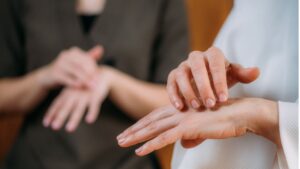
For some clients, our work includes EFT, also known as tapping, to explore the stress, emotions, and beliefs connected with a craving or repeated habit. EFT is a coaching and self-help technique; it is not a replacement for psychotherapy, medical treatment or eating-disorder care. Women who are unfamiliar with the method can first explore what current research says about EFT tapping and how Sandy uses it within her coaching scope.
Personalized nutrition is another part of the picture. Rather than forcing every woman into the same menopause diet, I consider her preferences, schedule, eating history, and what helps her feel nourished and satisfied. A plan that keeps her hungry or requires constant vigilance is unlikely to create lasting peace with food.
Medical collaboration matters as well. Thyroid disease, diabetes, sleep apnea, medication effects and other health concerns can affect weight, energy and appetite. Hormonal or metabolic symptoms need appropriate assessment from a qualified healthcare professional. Coaching can support habits and emotional well-being, but it should complement, not replace, medical care.
Supporting the whole woman may therefore involve several forms of care working together:
| Area of support | Appropriate focus |
| Medical care | Menopause symptoms, thyroid health, diabetes, medications and other clinical concerns |
| Nutrition guidance | Satisfying meals, adequate nourishment and realistic eating patterns |
| Strength and movement | Muscle, bone health, mobility and cardiovascular fitness |
| Emotional support | Stress, coping patterns, self-criticism and past experiences |
| EFT coaching | Exploring the emotional charge around cravings, beliefs and habits |
| Daily recovery | Sleep, rest, boundaries and alternatives to using food for relief |
The goal is not to force the body into submission. It is to create conditions that make supportive choices more possible and reduce the need to depend on food as the main source of comfort.
Can Hormone Therapy Help With Menopause Weight Loss?
Hormone therapy can be highly effective for appropriate women who experience hot flashes and other disruptive menopause symptoms. It can also help prevent bone loss in suitable candidates. It is not, however, prescribed as a weight-loss treatment.
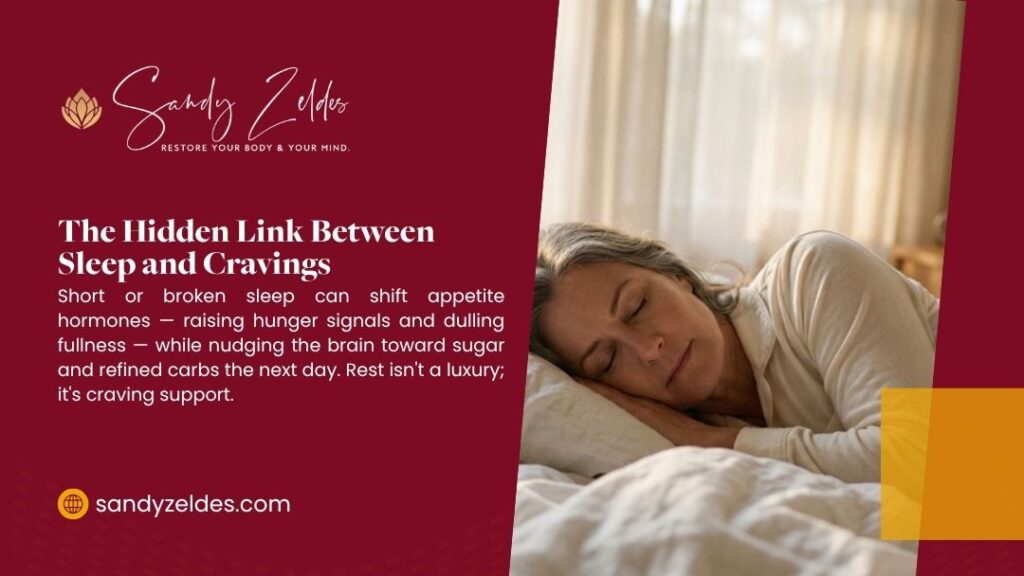
By reducing hot flashes or sleep disruption, hormone therapy may make it easier for some women to exercise, prepare nourishing meals, and feel more like themselves. Research also suggests modest effects on abdominal fat distribution or lean tissue in some cases. Those possible benefits do not turn hormone therapy into a fat-loss medication.
Hormone therapy may help with symptoms that interfere with weight management, but it does not produce substantial weight loss by itself.
The decision depends on symptoms, age, time since menopause, medical history, personal risk factors, and treatment preferences. It should be made with a qualified healthcare professional. Hormones matter. They simply are not the entire story.
What About GLP-1 Medications?
Prescription weight-management medications may be appropriate for some women based on their medical history and health risks. Benefits, side effects, costs, and likely long-term needs should be discussed with a qualified prescriber.
Medication and emotional-pattern work do not have to be treated as opposing choices. A woman can receive appropriate medical care while also examining stress eating, cravings, or food noise. Likewise, choosing a non-medication approach does not make someone more disciplined.
Sandy’s coaching does not replace medical treatment or advise women to stop prescribed medication.
FAQs About Weight Loss After Menopause
Why does weight loss get harder with age for women?
Weight loss can become harder with age because women gradually lose muscle, especially without regular strength training. Less muscle can reduce daily energy needs, while lower activity, poor sleep, medications and health conditions may create additional obstacles. Menopause can further change body composition and fat distribution, but aging does not make weight loss impossible.
How can you stop menopause weight gain?
Menopause weight gain cannot always be completely prevented, but its likelihood and health effects can often be reduced. Preserving muscle, remaining active, eating regular nourishing meals, improving sleep and moderating alcohol can help. Tracking strength, waist measurement, energy and metabolic health may provide a more useful picture of progress than focusing only on the scale.
How do you lose weight associated with lower estrogen?
There is no special method that removes “estrogen weight” alone. Lower estrogen can influence fat distribution, but overall weight and body composition are also affected by muscle mass, activity, sleep, nutrition, genetics and health conditions. Strength training, adequate protein, regular movement and appropriate medical care offer a more realistic approach than supplements or diets marketed as estrogen-fat solutions.
Why does fat collect around the stomach after menopause?
Declining estrogen can change where the body stores fat, making abdominal storage more common than it was before menopause. Age-related muscle loss, genetics, lower activity, alcohol, poor sleep and overall energy intake may also contribute. Abdominal exercises can strengthen the core, but they cannot selectively remove menopausal belly fat.
Can chronic stress prevent weight loss after menopause?
Chronic stress does not single-handedly prevent weight loss, but it can make weight management more difficult. It may disturb sleep, reduce energy, influence appetite and make food or alcohol feel especially comforting. Stress can also make it harder to maintain exercise, meal preparation and other supportive habits. Weight changes should still be considered alongside hormonal, medical, nutritional and behavioral factors.
Can EFT help with menopausal food cravings?
EFT may help some women explore the emotions, stress and beliefs connected with a craving. It does not change menopause hormones or guarantee weight loss, and research on its effects continues to develop. Sandy uses EFT as a coaching and self-help method alongside personalized nutrition and appropriate medical care—not as a substitute for clinical treatment.
Your Body Is Not the Enemy
If losing weight after menopause feels harder, that does not mean you have failed. Your body is responding to a different hormonal, physical, and emotional environment than it had years ago.
The answer may involve strength training, satisfying food, better sleep, menopause-symptom treatment and a medical checkup. It may also involve looking beneath the nightly craving and asking what kind of comfort or relief you have been trying to find.
After more than two decades of helping women examine their relationships with food, I have learned that most do not only want to lose weight.
Weight loss may be one outcome of healthier patterns, but it is not the deepest transformation. The deeper change is being able to think less about food, trust yourself around eating and feel more peaceful in your body.
Freedom is.
If you are a professional woman over 40 who understands nutrition but still feels caught in cravings, emotional eating or repeated dieting, Sandy’s three-month personalized coaching program can help you explore what may be keeping the pattern in place.
Through EFT, individualized nutrition guidance and compassionate support, the work is designed to help you pursue not only physical change, but a calmer and freer relationship with food.